
4mm frosted glass
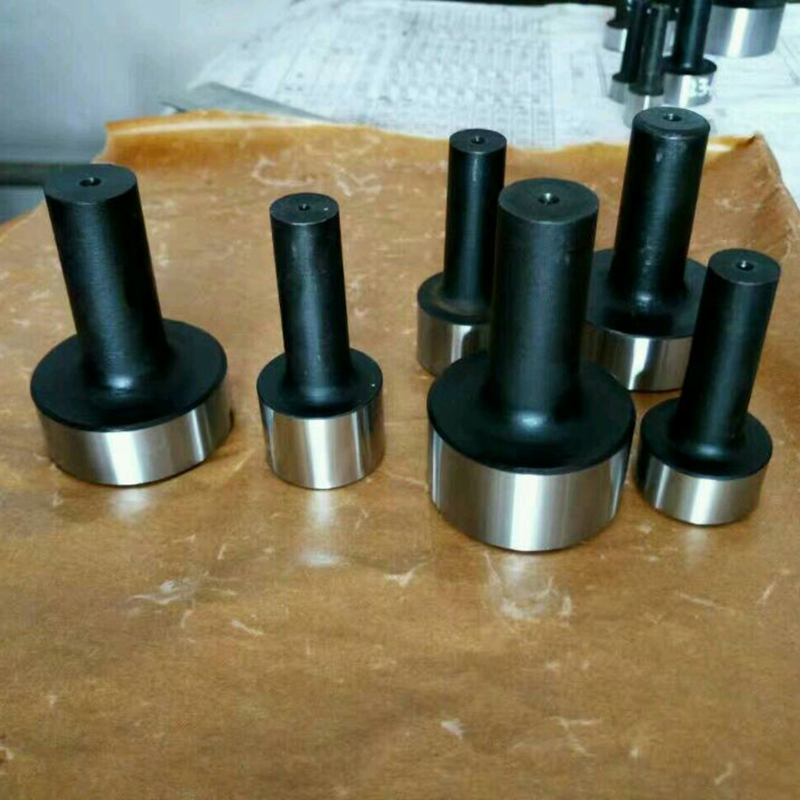
Understanding Master Ring Gage Precision Measurement Tools in Manufacturing In the demanding world of manufacturing, precision is paramount. Every component, no matter how small, must meet rigorous specifications to ensure compatibility, safety, and performance. Among the essential tools in quality control are gages, which are used to validate that parts meet their design requirements. One specific type of gage that plays a crucial role in this process is the master ring gage. What is a Master Ring Gage? A master ring gage is a cylindrical tool designed to measure the external diameters of an object. It provides a reliable means of checking the size and tolerances of cylindrical parts, such as shafts, bolts, and fittings. The master ring gage typically consists of two main features the go and no-go sides. The go side indicates the minimum acceptable size, while the no-go side denotes the maximum allowable size. This dual-design ensures that the part being measured conforms to its specified tolerances. The master ring gage is usually made from high-grade steel, sometimes accompanied by a protective coating to enhance durability and resistance to wear. The manufacturing process involves precise machining to achieve the exact measurements required. Consequently, these gages provide a high level of accuracy, with tolerances often reaching micrometer levels, making them indispensable in sectors where precision is critical. The Importance of Master Ring Gages 1. Quality Assurance Master ring gages play a pivotal role in quality assurance processes. By verifying the dimensions of critical components, manufacturers can ensure products are built to specification, reducing the risks of malfunctions and failures in the final application. This is especially vital in industries such as aerospace, automotive, and medical device manufacturing, where component failure can have catastrophic consequences. 2. Standardization Using master ring gages helps establish industry standards. When manufacturers calibrate their measuring instruments against a master ring gage, it creates a consistent basis for measurement across different tools and processes. This standardization facilitates better communication and collaboration between manufacturers and their suppliers, ensuring that all parties are aligned on specifications. 3. Cost Efficiency Implementing master ring gages in the manufacturing process can lead to significant cost savings in the long run. By catching dimensional errors early in production, companies can minimize scrap rates and reduce the need for costly rework. This efficiency not only lowers material costs but also improves overall productivity. master ring gage 4. Regulatory Compliance Many industries are governed by strict regulatory requirements that dictate the dimensions and tolerances of components. Master ring gages aid manufacturers in demonstrating compliance with these regulations, ensuring products can be certified for sale and use in their respective markets. Proper Usage and Maintenance To maximize the effectiveness of master ring gages, proper usage and maintenance are essential. Here are some key practices manufacturers should adopt - Regular Calibration Master ring gages should be calibrated regularly to ensure accuracy. This process often involves comparing the gage against a known standard and making any necessary adjustments. - Storage Conditions To maintain their precision, master ring gages should be stored in a controlled environment, away from moisture, extreme temperatures, and dust. Protective cases and specifically designed racks can safeguard gages from damage. - Cleanliness Before use, it's crucial to clean gages and the parts being measured to eliminate any contaminants that may affect the measurement. Using lint-free cloths and appropriate cleaning solutions can help achieve this goal. - Handling Protocol Careful handling is vital to prevent any physical damage to the gage itself. Operators should be trained to handle the gages delicately, avoiding dropping or impacting them in any way. Conclusion Master ring gages are invaluable tools in precision manufacturing, ensuring that components meet specified tolerances and quality standards. By facilitating rigorous quality control, supporting standardization, enhancing cost efficiency, and aiding regulatory compliance, these gages contribute significantly to the integrity and success of manufacturing operations. As industries continue to evolve, the importance of such precise measurement tools will only grow, reaffirming the need for continuous investment in quality assurance practices within manufacturing settings.
about
4mm frosted glass
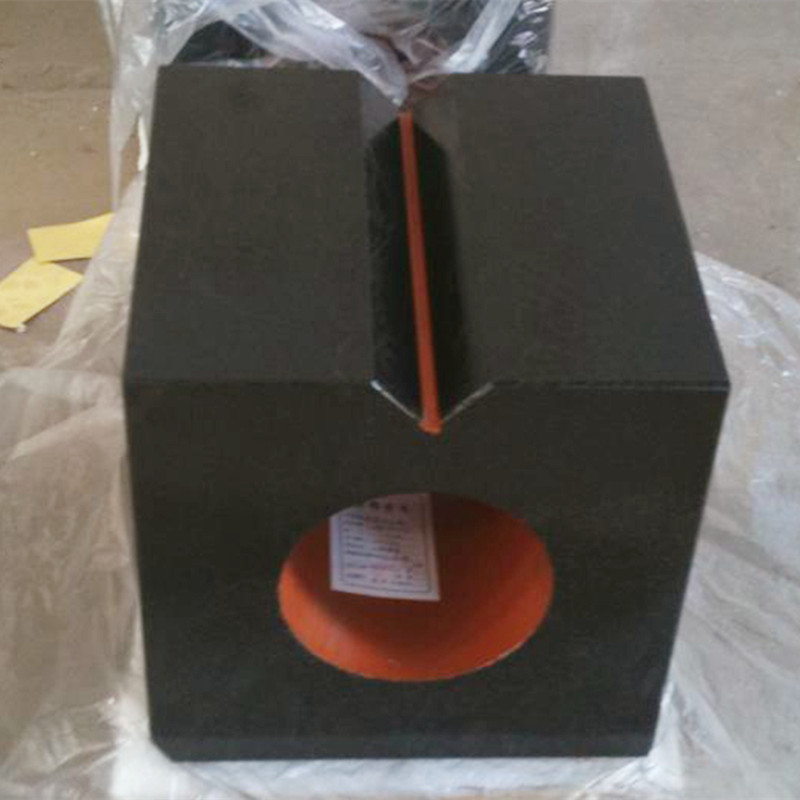
The Importance of Stone Surface Plates in Modern Metrology In the world of metrology, precision is paramount. Engineers and technicians alike understand that the accuracy of measurements can have a profound impact on product quality and performance. Among the various tools employed in this quest for precision, stone surface plates stand out as essential instruments. These flat, stable surfaces offer an unparalleled foundation for inspection, calibration, and assembly processes. What are Stone Surface Plates? Stone surface plates are flat, rigid slabs typically made from natural stone, such as granite, or high-quality synthetic materials. They are designed to provide a stable and accurate reference plane for measuring instruments. The most common application of stone surface plates is in quality control environments, including manufacturing plants and laboratories, where precise measurements are crucial. Material Considerations Granite is the preferred material for most surface plates due to its excellent properties. Its durability, resistance to wear, and ability to maintain flatness over time make it ideal for metrology applications. Additionally, granite offers thermal stability, which is crucial when working with varying temperatures in industrial settings. Unlike metal plates, granite does not expand or contract significantly with temperature changes, ensuring that measurements remain consistent and accurate. Flatness and Accuracy The primary function of a stone surface plate is to provide a flat reference surface. The flatness of these plates is measured in terms of shape tolerance, which specifies how much deviation from absolute flatness is permissible. Premium quality granite plates can achieve tolerances of just a few microns. This level of precision is essential for high-stakes applications, such as aerospace and automotive industries, where even minor inaccuracies can lead to significant consequences. Applications of Stone Surface Plates stone surface plate Stone surface plates are utilized across various industries for numerous applications. They are primarily used in 1. Inspection and Quality Control By placing components on a surface plate, inspectors can gauge their dimensions using calipers, micrometers, and height gauges. The flatness and stability of the plate ensure that measurements taken are both accurate and repeatable. 2. Calibration Surface plates are often employed as reference standards for calibrating measuring instruments. By comparing the measurements of calibration tools against the stable surface, technicians can ensure that their instruments function correctly. 3. Assembly and Machining In assembly processes, ensuring that parts fit together accurately is crucial. Stone surface plates provide a level surface where parts can be securely positioned and checked for alignment, simplifying complex assembly tasks. 4. Tool and Die Making In toolmaking, precision is vital. Surface plates provide a stable base for the manufacture and assembly of tooling components, ensuring that all parts align correctly before finalization. Maintenance and Care To ensure longevity and continued accuracy, regular maintenance of stone surface plates is crucial. Cleaning the surface with non-abrasive materials helps to avoid scratches that could affect flatness. Additionally, periodic checkups using level gauges or laser alignment tools can help detect any deviations from flatness over time. Should a plate become chipped or scratched, resurfacing may be required to restore its precision. Conclusion Stone surface plates are indispensable in the world of precision measurement and quality control. Their ability to provide a flat, stable, and durable reference surface enables manufacturers to maintain high standards of accuracy in their products. As industries continue to evolve and demand greater precision, the role of stone surface plates will only expand, underscoring their significance in modern metrology practices. By prioritizing the use of these essential tools, businesses can enhance their performance, ensure product quality, and maintain a competitive edge in today's global marketplace.
-

High quality industrial productsagement

High quality industrial products
View Details -

Meet the diverse needs of customers

Meet the diverse needs of customers
View Details -

Strict quality control

Strict quality control
View Details -

Top raw materials

Top raw materials
View Details -

Trusted supplier

Trusted supplier
View Details
Our application



news and information

vibration mounting pad
The Importance of Vibration Mounting Pads in Industry In today's fast-paced industrial environment,

water valves
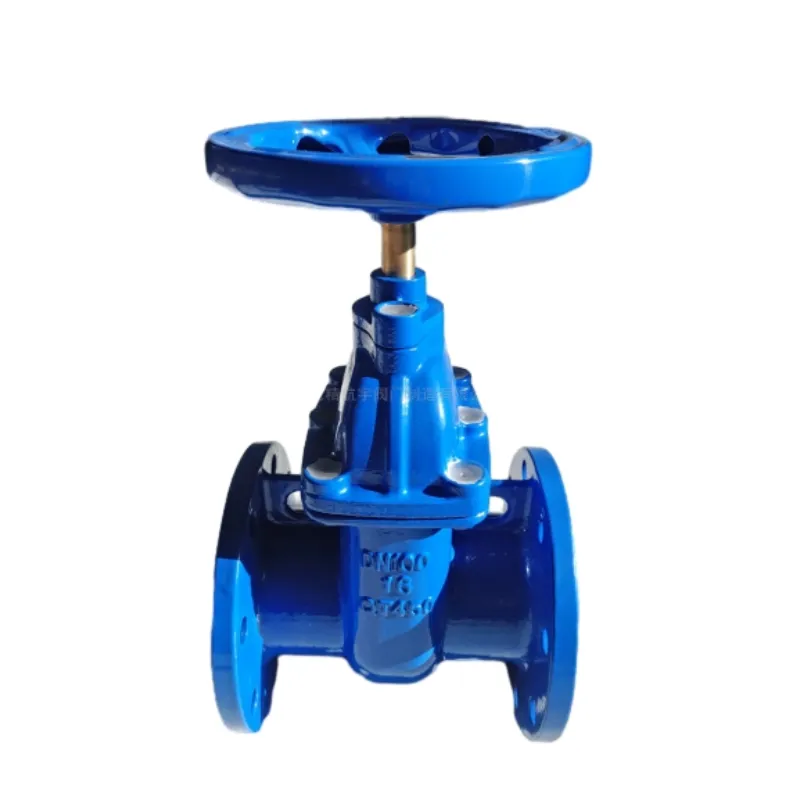
Understanding Water Valves Essential Components in Fluid Control Water valves are critical component
What is a Spline Ring Gauge_ Understanding Its Role in Precision Measurement
In the world of precision engineering and manufacturing, accurate measurements are the foundation fo
 English